

Electric Stove Overheating During Use? What Causes It and How Can It Be Fixed?
An electric stove should heat food properly without producing excessive temperatures that make cooking difficult or unsafe. When the stove starts overheating, burners may stay hotter than expected, food can burn quickly, and some components may become unusually hot during operation. This issue often develops because of faulty controls, damaged heating parts, or electrical problems that affect temperature regulation inside the appliance.
Ignoring overheating can place extra stress on internal components and increase the risk of costly damage over time. Many homeowners seek electric stove repair in Dubai when they notice their stove heating beyond normal levels or failing to respond to temperature settings correctly. Finding the cause early helps restore safe performance, improves cooking results, and prevents further problems from spreading throughout the appliance.
Why Is Your Electric Stove Overheating?
An electric stove overheating happens when the appliance produces more heat than the selected setting allows. This problem usually develops because of faulty components, electrical issues, or worn parts that interfere with proper temperature control and safe cooking performance.
Normal Heating vs Overheating
Normal heating matches the temperature you select and cooks food evenly. Overheating occurs when burners become excessively hot, stay heated for too long, or produce temperatures that exceed the chosen setting.
Impact on Cooking Performance
Overheating affects cooking results by burning food quickly and making temperature control difficult. It can also create uneven cooking conditions, forcing you to monitor meals constantly and reducing the stove’s overall efficiency.
Early Warning Signs
Users often notice food burning faster than usual, burners glowing intensely, or surfaces becoming unusually hot. Strange smells, excessive heat around controls, and poor temperature response can also signal overheating problems.
Why It Gets Worse
Overheating places continuous stress on heating elements, wiring, and control components. If you ignore the issue, damaged parts can deteriorate further, causing larger faults, higher repair costs, and more frequent performance problems.
Safety Risks of Excessive Heat
Excessive heat can damage internal electrical parts and increase the risk of smoke, burning odors, or electrical hazards. It may also affect nearby surfaces and create unsafe cooking conditions inside your kitchen.
Stop Electric Stove Overheating Issues with Same-Day Repair in Dubai
Main Electrical Faults That Cause Electric Stove Overheating
Many electric stove overheating problems start with electrical faults that affect temperature control and power distribution. When these components stop working correctly, the stove may generate excessive heat, operate continuously, or fail to respond properly to user settings.
A thermostat controls how much heat the stove produces. When it becomes faulty, it cannot regulate temperature accurately, causing burners to remain hotter than required and increasing the risk of overheating during cooking.
The temperature sensor monitors heat levels inside the stove. If it sends incorrect readings, the appliance may continue heating unnecessarily, resulting in excessive temperatures and poor cooking performance.
A relay controls the electrical supply to heating elements. When it becomes stuck, power continues flowing even after temperature limits are reached, causing the stove to overheat and operate longer than intended.
Damaged, loose, or worn wiring can disrupt normal electrical flow inside the stove. These faults often create uncontrolled heating conditions that make burners hotter than the selected temperature setting.
The control board manages many stove functions, including temperature regulation. If the board malfunctions, it may send incorrect commands to heating components, causing excessive heat and inconsistent operation.
Sudden voltage changes can affect how the stove receives and uses electrical power. Frequent fluctuations may place extra stress on components and contribute to overheating problems that impact performance and safety.
Heating Element Problems Behind Excessive Heat
Heating elements play a major role in controlling stove temperature. When these components become damaged or develop faults, they can produce excessive heat and cause the stove to operate beyond normal cooking temperatures.
Warning Signs Your Electric Stove Is Overheating
An overheating electric stove often shows clear warning signs before a major failure occurs. Paying attention to these symptoms helps you identify the problem early, protect internal components, and reduce the risk of electrical damage or unsafe cooking conditions.
When Should You Call an Electric Stove Repair Expert in Dubai?
You should call a repair expert when your electric stove shows repeated overheating problems or fails to respond to basic troubleshooting. These signs often point to deeper electrical faults that need proper inspection and professional repair work for safe operation.
Continuous overheating after basic checks, burning smell, smoke, or unresponsive temperature controls all indicate serious internal issues. Frequent breaker trips, constantly active heating elements, or visible electrical damage also signal risk. In such cases, UAE Appliances Repair services help restore safe and stable stove performance.
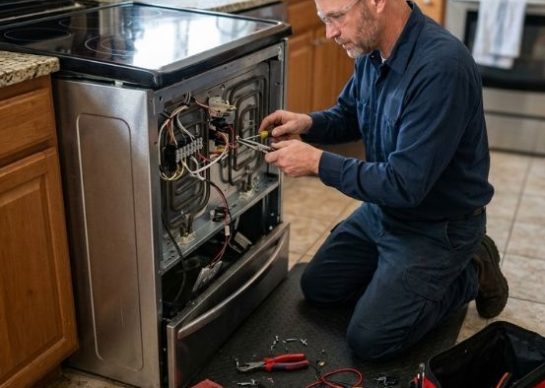
How Professionals Fix Electric Stove Overheating Issues
Technicians fix an electric stove’s overheating by identifying the exact faulty part and repairing or replacing it. They follow a proper diagnostic process to restore temperature control, ensure safe electrical flow, and bring back stable cooking performance.
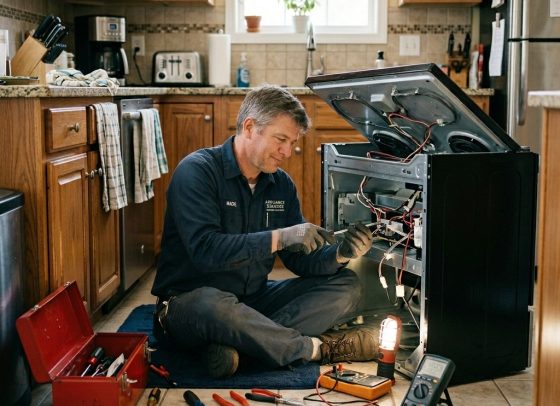
Diagnosing Temperature Sensor Faults
The temperature sensor is tested to verify accurate heat readings inside the stove. Faulty sensors send wrong signals, causing overheating. Technicians inspect and replace damaged sensors to restore correct temperature control during cooking.
Repairing Damaged Wiring Connections
Technicians inspect internal wiring for burns, looseness, or damage. Faulty wires can cause uncontrolled heat flow and overheating. Repairing or replacing these connections ensures safe electricity flow and stable stove performance.
Performing Complete Safety Testing
After repairs, technicians run full safety checks to ensure all components work correctly. They verify heating levels, electrical flow, and temperature control so the stove operates safely without any overheating issues.
Final Thoughts:
An overheating stove should never be ignored because it clearly signals that internal parts are not working in proper balance. Small issues in wiring, sensors, relays, or heating elements can quickly turn into serious damage if you keep using the appliance without fixing the root cause. Paying attention early helps you avoid unsafe cooking conditions and keeps your stove’s performance stable.
When you face electric stove overheating problems, quick inspection and proper repair help you restore safe heating and prevent costly breakdowns. Timely action also protects your kitchen from electrical risks, improves cooking results, and keeps your stove working smoothly for daily use without interruptions or repeated faults.
