

Why Does an Electric Stove Spark or Suddenly Lose Power Due to Wiring Problems?
A stove that sparks or suddenly loses power often creates concern during cooking. You may notice quick flashes near the burner, sudden shutdowns, or complete loss of heating without warning. These problems usually point toward wiring faults inside the appliance that disturb normal electricity flow and affect safe operation in the kitchen.
In many cases, the issue becomes worse when internal wires loosen, burn, or overload due to heavy use. When this happens, many homeowners start looking for electric stove repair in Dubai. Understanding the cause early helps prevent repeated failures, reduces safety risks, and keeps your stove working smoothly without unexpected interruptions during daily cooking.
What Happens When Stove Wiring Starts Failing
When stove wiring starts failing, the electrical flow becomes unstable and unpredictable. This leads to sparking, sudden power loss, and uneven heating. The issue often develops gradually but quickly affects safe cooking and can damage internal stove components.
Normal vs Fault
Normal operation delivers smooth and controlled electricity to heating parts. A wiring fault disrupts this flow, causing unstable performance, random shutdowns, or sparks. Both conditions look similar at first, but behave very differently.
Why Sparks
Sparks appear when damaged or loose wires create unstable electrical contact. The current jumps between points instead of flowing smoothly, producing visible sparks inside the stove that signal serious internal wiring problems.
Power Cut
Power suddenly cuts out during cooking when the wiring cannot handle the electrical load or breaks internally. This interrupts the current flow, causing the stove to shut off without warning and stop heating immediately.
Early Signs
Early signs include flickering power, a mild burning smell, or inconsistent heating. These small issues often appear before a major failure and indicate that internal wiring is weakening or becoming unstable inside the stove system.
Ignoring Risk
Ignoring wiring problems can lead to severe electrical damage over time. Faults may spread to other components, increase repair costs, and create dangerous conditions like sparks, smoke, or complete stove failure during use.
Safety Hazard
Wiring becomes a safety hazard when insulation breaks or connections overheat. This can cause electric shock risk, fire danger, or permanent damage to the stove, making immediate repair necessary for safe operation.
Book Expert Help for Electric Stove Power & Wiring Problems
Main Wiring Problems That Cause Sparking or Power Loss
Wiring problems inside an electric stove can interrupt power flow and create unsafe conditions. Loose, damaged, or overheated wires often lead to sparking, sudden shutdowns, or complete loss of heating during cooking, affecting performance and safety.
Loose internal wire connections stop a stable electricity flow inside the stove. When wires are not tightly fixed, current becomes unstable, leading to sparking, heating issues, or sudden power loss during operation.
Damaged or burnt insulation exposes live wires inside the stove. This increases the risk of short circuits, sparks, and overheating, making the appliance unsafe and unreliable during normal cooking use.
Worn-out power cables lose their ability to carry electricity safely. Over time, heat and usage damage the wires, causing unstable power delivery, random shutdowns, or complete stove failure.
Overheated connection terminals occur when too much current passes through weak points. This causes melting, a burning smell, and unstable electrical flow, which can lead to sparking or a sudden power interruption inside the stove.
A short circuit happens when live wires touch each other incorrectly. This creates a sudden surge of electricity, causing sparks, power loss, and possible damage to internal stove components.
Poor factory wiring or low-quality past repairs can create long-term electrical issues. Incorrect connections or unsafe installations often lead to recurring faults, sparking, or unstable stove performance during cooking.
Electrical Overload Issues in Stove Wiring
Electrical overload happens when the stove receives more power than its wiring can safely handle. This extra load heats components, weakens insulation, and creates unstable performance, often leading to sparking, shutdowns, or long-term wiring damage.
Warning Signs of Wiring Problems in an Electric Stove
Wiring problems in an electric stove often show early warning signs before complete failure. These include sparks, unusual smells, unstable heating, and sudden shutdowns. Recognizing these symptoms early helps prevent serious electrical damage and unsafe cooking conditions.
How Sparking Starts Inside Electric Stove Wiring
Sparking inside the electric stove wiring starts when the electrical flow becomes unstable due to loose, damaged, or exposed connections. This creates a sudden energy discharge, which appears as sparks and indicates serious internal wiring problems that need immediate attention.
Loose wire connections create gaps in electrical flow. When current jumps across these gaps, it forms an electric arc. This arc produces visible sparks and indicates unstable and unsafe wiring inside the stove.
When wire insulation wears out or melts, live wires become exposed. These exposed parts can touch nearby surfaces or each other, causing sparks, short circuits, and dangerous electrical activity inside the stove system.
Moisture or grease inside wiring areas disrupts normal electrical resistance. This creates irregular current paths, leading to sparking or burning effects, especially when the stove is operating at high temperature during cooking.
Metal parts inside the stove can accidentally touch live wires. This direct contact causes sudden electrical discharge, creating sparks and increasing the risk of internal damage or complete wiring failure.
Excessive heat near terminals weakens electrical connections over time. As components expand and degrade, they lose stability, leading to sparks, poor conductivity, and increased risk of internal wiring failure during stove operation.
Repeated use gradually weakens stove wiring connections. Small faults build up over time, causing instability in electrical flow. This progressive damage eventually leads to sparking, overheating, and complete failure if not repaired early.
How Professionals Fix Wiring Problems in Electric Stoves
Technicians fix stove wiring problems by carefully inspecting internal connections, identifying damaged or unsafe points, and restoring proper electrical flow. They follow a step-by-step repair process to remove faults that cause sparking, power loss, overheating, or unstable stove performance during cooking.
They begin with a full internal wiring inspection to locate burnt wires, loose joints, or weak terminals. After that, they replace damaged wiring, tighten all connections, and repair socket issues. Voltage and load are tested for stability. Many homeowners trust UAE Appliances Repair for accurate diagnosis and safe restoration, followed by final safety checks to prevent future electrical risks.
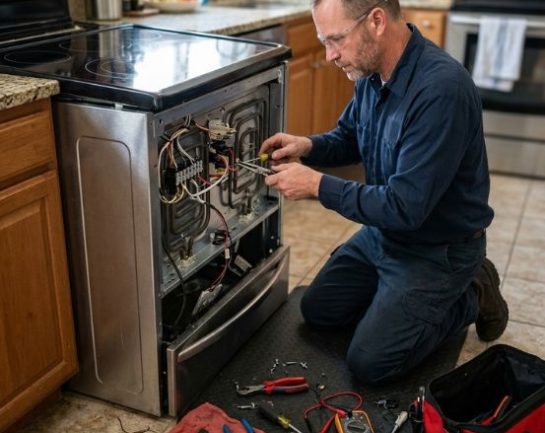
How Technicians Diagnose Spark and Power Loss Issues
Technicians diagnose spark and power loss issues by inspecting internal stove parts and testing electrical flow. They locate damaged wiring, unstable connections, or short circuits to find the exact cause of sparking, shutdowns, or power interruptions.
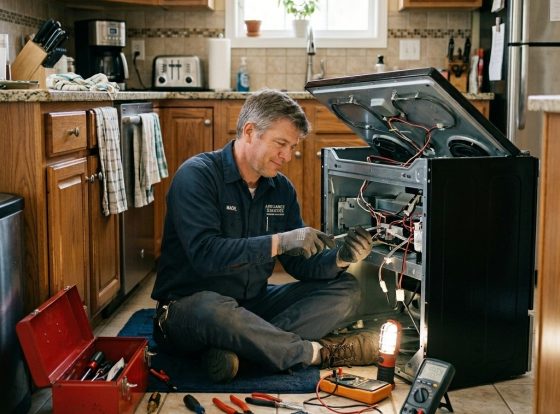
Internal Inspection
Technicians open the stove to access internal components. This allows them to visually check wiring, terminals, and control parts for damage, loose connections, or overheating signs that may cause electrical faults.
Circuit Continuity
They test wiring continuity to ensure electricity flows properly through all circuits. If continuity breaks anywhere, it indicates damaged wires or weak connections that disrupt power and cause the stove to malfunction during operation.
Short Circuit Check
Special tools help detect short circuits inside the stove. These faults occur when wires touch incorrectly, creating sparks or sudden power loss. Early detection prevents further damage to internal electrical components.
Wrapping Up:
Electric stove wiring issues can turn simple cooking into a risky situation when sparks or sudden power loss appear without warning. These problems usually start from loose connections, damaged insulation, or an overload inside the system. Ignoring early signs often leads to repeated shutdowns, unstable heating, or complete appliance failure that affects daily kitchen use.
When you notice an Electric Stove Spark, a quick inspection and proper repair help prevent serious electrical damage. Timely action keeps your stove safe, restores stable performance, and avoids costly breakdowns, ensuring smooth and reliable cooking every day.
