

Why Does a Washing Machine Drum Make Grinding Noises During Spin?
A washing machine drum that makes grinding or rattling noises during the spin cycle is a sign that something may need attention. While some operating sounds are normal, unusual noises often point to problems like trapped objects, worn bearings, loose components, damaged belts, or motor issues. Ignoring these sounds can lead to bigger damage, reduced washing performance, and expensive repairs. Finding the source of the noise early helps protect your appliance.
This guide explains the common reasons behind washing machine drum noises and how you can identify the problem. You will learn about different sounds, faulty parts, warning signs, and simple checks you can perform before calling a technician. If the noise continues or becomes louder, washing machine repair in Dubai can help diagnose the issue and restore smooth operation. We will also share maintenance tips to reduce noise and extend the life of your washing machine.
Why Is Your Washing Machine Making Noise During Spin?
A washing machine drum making unusual sounds during the spin cycle usually indicates a problem with internal parts or trapped objects. Identifying the cause of the washing machine drum noise helps you prevent further damage and restore smooth operation.
Objects Inside Drum
Small objects like coins, buttons, or metal items can get trapped inside the drum and create a rattling sound from the washer. Check pockets before washing to prevent damage and unusual spin cycle noises.
Worn Drum Bearings
Damaged drum bearings are a common cause of grinding noise during the spin cycle. As bearings wear out, the drum may become unstable, create loud sounds, and affect the overall performance of your washing machine.
Loose Drum Parts
Loose internal components can cause a washing machine to make strange noises during operation. Loose screws, drum supports, or damaged connections may create rattling sounds and require inspection to prevent bigger mechanical problems.
Damaged Drive Belt
A worn or damaged drive belt can create squealing or grinding sounds during the washer spin cycle. The belt helps rotate the drum, and any damage can affect smooth movement and washing performance.
Faulty Motor Parts
Motor problems can cause unusual humming, grinding, or vibration noises during spinning. Worn motor components may reduce drum movement efficiency and require professional inspection to prevent further damage.
Broken Suspension Parts
Damaged suspension parts cannot control drum movement properly during high-speed spinning. Worn springs or shock absorbers can increase vibration, create loud noises, and affect washing machine stability.
Book Onsite Washing Machine Inspection for Grinding Noise Today
Common Parts Behind Washing Machine Drum Noise
Several internal components control drum movement and smooth spinning. When these parts become worn, loose, or damaged, they can create washing machine drum noise, grinding sounds, or rattling during the spin cycle. Identifying the faulty part helps you choose the right repair solution.
Worn drum bearings are one of the main causes of grinding noise during the spin cycle. Damaged bearings affect drum rotation, create rough movement, and may lead to vibration or further washing machine damage.
The drive belt helps the drum rotate smoothly during washing and spinning. A loose, cracked, or worn belt can create squealing sounds, slipping issues, and uneven drum movement during operation.
The drum spider supports the inner drum and helps maintain balance during rotation. Damage to this component can cause loud banging sounds, unstable movement, and serious washer vibration problems.
The motor coupling transfers power from the motor to the drum system. A damaged coupling can create unusual noises, reduce spinning performance, and cause the washing machine to struggle during cycles.
Shock absorbers control drum movement and reduce vibration during high-speed spinning. When they wear out, the washer may shake excessively, produce loud noises, and become unstable during the spin cycle.
A blocked or damaged drain pump can create rattling or humming sounds during water removal. Small objects trapped inside the pump may affect drainage and contribute to washing machine noise problems.
Signs Your Washer Drum Has a Serious Noise Problem
A noisy washing machine drum can indicate worn parts, imbalance, or internal damage. Identifying these warning signs early helps prevent bigger problems and costly repairs.
Why does the drum make a grinding noise?
A grinding sound from your washer drum usually points to friction, worn components, or damaged moving parts. Finding the exact cause helps prevent serious failures and keeps the washing machine’s spin cycle working properly.
Worn bearings create friction between moving parts and often produce a loud grinding noise. As the damage increases, the drum may become loose and affect the washing machine’s overall performance.
A damaged drum support can stop the drum from rotating smoothly. It may create grinding sounds, uneven movement, and additional stress on other internal washing machine components.
Motor parts can create grinding sounds when they become worn or damaged. Internal friction reduces motor efficiency and may affect drum rotation during washing and spinning cycles.
A damaged or misaligned belt can rub against other parts and create grinding sounds. Replacing a worn belt helps restore smooth drum movement and prevents further mechanical issues.
Small objects trapped between the drum and outer tub can create grinding or scraping sounds. Coins, clips, and metal items may damage internal parts if you ignore the noise.
Some moving components need proper lubrication to operate smoothly. Lack of lubrication increases friction, creates unusual sounds, and may reduce the lifespan of important washing machine parts.
What Do Different Washing Machine Noises Mean?
Different washing machine sounds can point to specific problems inside the appliance. Understanding these noises helps you identify possible faults early and know when your washer needs inspection or repair.
Why does the drum make a rattling noise?
A rattling washing machine drum often indicates loose items, damaged parts, or unstable components. Checking the source of the sound early helps prevent bigger repair issues and improves overall appliance performance.
Coins Inside Drum
Coins and small objects left in pockets can move around during spinning and create rattling sounds. These items may also damage the drum surface or block other washing machine components.
Loose Screws
Loose screws inside the washing machine can create constant rattling during operation. They may come from panels, supports, or internal parts and require inspection to prevent additional damage.
Broken Drum Parts
Broken drum components can affect balance and create loud rattling noises. Damaged parts may interfere with rotation and reduce the washing machine’s ability to complete spin cycles properly.
Loose Counterweight
The counterweight helps stabilize the drum during spinning. If it becomes loose, the washer may produce rattling sounds, excessive vibration, and unstable movement during high-speed cycles.
Damaged Pump Filter
A damaged or blocked pump filter can trap small objects and create rattling sounds during draining. Cleaning or replacing the filter helps improve drainage and reduce unusual noises.
Loose External Panels
Loose outer panels can vibrate against the machine body and create rattling sounds. Tightening these panels can reduce noise and prevent minor vibration issues during washing and spinning.
How Professional Technicians Diagnose Drum Noises
Professional technicians begin by inspecting the washing machine to find the exact source of unusual washing machine drum noise. They check the drum movement, bearings, drive belt, motor parts, suspension system, and other internal components. They also listen carefully to grinding sounds, rattling noises, and vibration patterns during different cycles to identify the faulty part causing the issue.
UAE Appliances Repair uses a detailed diagnosis process to locate problems like worn drum bearings, loose components, damaged belts, or trapped objects inside the drum. After identifying the cause, technicians perform the required repairs and test the washer through a complete spin cycle. This helps restore smooth operation, reduce spin cycle noise problems, and prevent further damage to the washing machine.
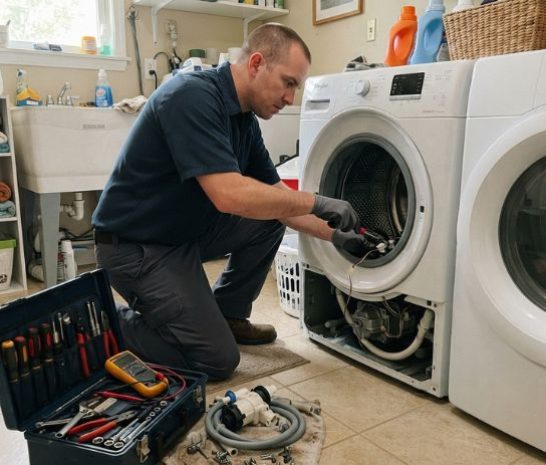
Washing Machine Problems That Need Professional Repair
Some washing machine drum noise issues happen because of damaged internal components that require expert attention. Identifying serious faults early helps prevent further damage and restores smooth drum movement.
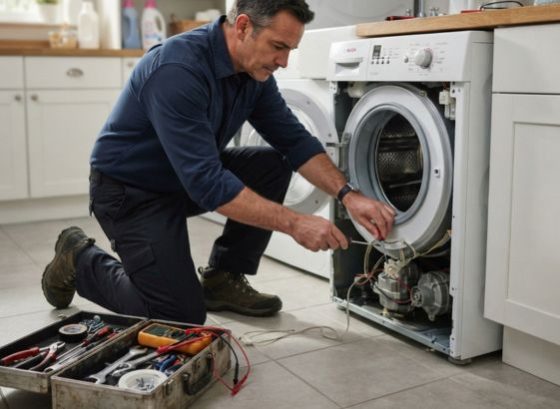
Damaged Drum Bearings
Worn drum bearings are a common cause of grinding noise during the spin cycle. Damaged bearings affect drum rotation, create vibration, and may require replacement to restore proper washing machine performance.
Broken Drum Spider
A broken drum spider affects drum balance and movement during operation. It can cause loud banging sounds, uneven spinning, and serious washing machine drum noise that needs professional repair.
Motor Failure
A faulty motor can create humming, grinding, or unusual sounds during washing cycles. Motor problems affect drum rotation and may stop the washer from completing the spin cycle properly.
Wrapping Up:
A washing machine that produces unusual sounds during spinning should not be ignored, as these noises often indicate problems with internal components. Checking the issue early can help you avoid major damage and restore your appliance’s smooth performance. If you notice that your washing machine drum makes a grinding noise, it may point to worn bearings, damaged parts, or objects trapped inside the drum that need proper inspection.
Professional diagnosis helps identify the exact source of grinding, rattling, or vibration sounds and provides the right repair solution. Regular maintenance, careful loading, and timely repairs can improve your washer’s performance and extend its working life. With expert support from a trusted service provider, you can fix drum noise problems and keep your washing machine running quietly and efficiently.
