

Why Is My Washing Machine Not Draining Water? Common Causes Explained
A washing machine that does not drain water can interrupt your daily routine and leave your clothes soaking wet after every wash. Standing water inside the drum often points to a drainage problem that needs attention before it leads to unpleasant odors, mold growth, or damage to internal components. Ignoring the issue can also put extra pressure on the drain pump and reduce the machine’s overall performance.
This guide explains the most common reasons your washing machine fails to drain and how you can identify the source of the problem. You will learn about blocked drain hoses, clogged pump filters, faulty drain pumps, and other possible causes. If simple checks do not solve the issue, washing machine repair in Dubai can help diagnose the fault and restore proper drainage. We will also share practical maintenance tips to help prevent future drainage problems.
Why Your Washing Machine Is Not Draining
Several components work together to remove water after each wash cycle. If one part becomes blocked, damaged, or stops working, water can remain inside the drum and prevent the machine from completing the cycle properly.
Clogged Drain Pump
The drain pump removes water from the drum during the drain cycle. Coins, buttons, lint, or small clothing items can block the pump, stopping water flow and leaving your washing machine full of water.
Blocked Drain Hose
The drain hose carries wastewater out of the washing machine. A blockage caused by lint, fabric fibers, or a kinked hose can restrict water flow and prevent the machine from draining completely.
Faulty Pump Motor
The drain pump motor powers the pump to remove water. If the motor becomes worn or burns out, the pump cannot push water through the drain hose, causing water to remain inside the drum.
Dirty Pump Filter
The pump filter traps lint, hair, and small objects before they reach the drain pump. When the filter becomes clogged, water drains slowly or stays inside the washing machine after the cycle ends.
Faulty Door Lock
Many washing machines will not drain if the door lock or lid switch fails. The appliance detects an unsafe condition and stops the drain and spin cycles until the problem is repaired.
Drain System Blockage
A blockage in the household drain system can stop wastewater from flowing away. Water may back up into the drum and cause repeated drainage problems until the blockage is cleared.
Book Emergency Washing Machine Not Drainage Water Repair Available Across Dubai
Common Parts That Affect Washer Drainage
Several washing machine components control how water drains after each cycle. If any of these parts become blocked, damaged, or worn out, the machine may fail to remove water and leave the drum full.
The drain pump pushes wastewater out of the washing machine during the drain cycle. A damaged or blocked pump can stop water flow, leaving water inside the drum and preventing the cycle from finishing.
The drain hose carries wastewater from the machine to the household drain. If the hose becomes clogged, bent, or damaged, water cannot flow out properly, and drainage problems may occur.
The pump filter catches lint, hair, coins, and small objects before they reach the drain pump. A clogged filter restricts water flow and often causes slow draining or standing water inside the washer.
The door lock assembly keeps the door securely closed during operation. If it fails, the washing machine may stop the drain and spin cycles because it cannot confirm the door is safely locked.
The water level sensor monitors the water level in the drum. If it sends incorrect signals, the machine may fail to activate the drain pump or complete the drainage cycle.
The drain pump impeller spins to move water through the drainage system. If it becomes broken, loose, or blocked by debris, the pump cannot remove water effectively, causing drainage problems.
Signs Your Washer Has a Drainage Problem
A washing machine usually shows clear warning signs before the drainage problem becomes serious. Spotting these symptoms early helps you prevent water damage and avoid costly repairs.
What Can Block the Washing Machine Drain System?
Several everyday items can block your washing machine’s drain system without you noticing. Identifying these common causes helps you prevent drainage problems and keep your washer running smoothly.
How Technicians Diagnose Drainage Problems in Dubai
Professional technicians begin by inspecting the entire drainage system to identify the exact cause of the problem. They examine the drain pump, pump filter, drain hose, door lock, water level sensor, and household drain connection. They also check for hidden blockages, damaged components, electrical faults, and error codes that may prevent the washing machine from draining properly. UAE Appliances Repair uses a systematic inspection process to diagnose drainage issues accurately before starting any repair.
After locating the fault, the technician performs the necessary repairs and tests the machine through a complete drain and spin cycle. This may include clearing blockages, replacing faulty parts, repairing damaged wiring, or restoring proper water flow. A final performance test confirms that the washing machine drains completely, spins correctly, and operates efficiently. Professional diagnosis in Dubai helps prevent recurring drainage problems and extends the life of your washing machine.
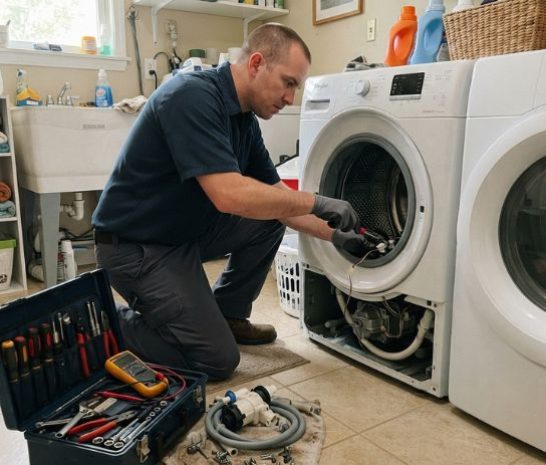
Washing Machine Drain Problems That Need Professional Repair
Some drainage problems involve damaged electrical or mechanical components that require professional repair. Fixing these issues early helps restore proper drainage, prevents further damage, and keeps your washing machine operating safely.
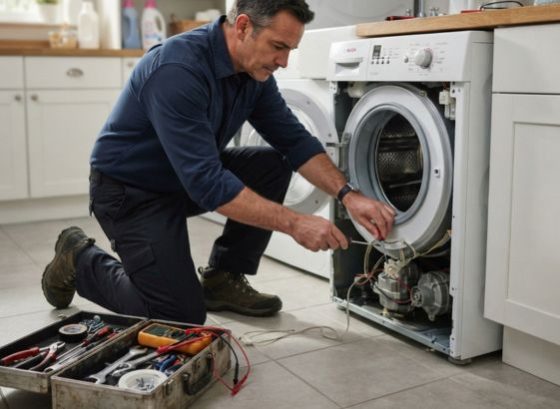
Burned-Out Drain Pump
A burned-out drain pump cannot remove water from the drum, even if the hose and filter are clear. Replacing the damaged pump restores proper water flow and allows the wash cycle to finish normally.
Faulty Control Board
The control board manages the drain cycle by sending signals to the drain pump. If it develops a fault, the pump may not activate, causing water to remain inside the washing machine.
Broken Pump Impeller
The pump impeller pushes water through the drainage system during each cycle. If it breaks, becomes loose, or gets damaged, the drain pump cannot move water effectively, resulting in poor or no drainage.
Conclusion:
A washing machine not draining water is more than just an inconvenience. Standing water inside the drum can affect washing performance, leave clothes soaking wet, create unpleasant odors, and place extra strain on important components like the drain pump. Identifying the cause early, whether it is a blocked hose, clogged filter, faulty pump, or damaged part, helps prevent more expensive repairs and keeps your washing machine running efficiently.
Regular maintenance, such as cleaning the pump filter, checking pockets before every wash, and inspecting the drain hose, can reduce the risk of drainage problems. If the issue continues after basic troubleshooting, professional repair is the best way to restore proper water flow and protect your appliance. Quick action keeps your washing machine performing at its best, extends its lifespan, and helps you avoid unexpected breakdowns.
