

Why Is Water Collecting Inside or Under My Fridge, and How Can It Be Fixed?
Water collecting inside or under your refrigerator is more than just a minor inconvenience. It often points to a problem that needs attention before it becomes more expensive to fix. You may notice water under the vegetable drawers, puddles on the kitchen floor, or moisture around the back of the appliance. These signs can affect cooling performance, spoil food, create unpleasant odors, and even damage your flooring if you ignore them. Fridge repair in Dubai becomes important when the issue continues or keeps coming back after basic cleaning.
This guide explains the most common reasons your fridge leaks water and shows you how to identify the source step by step. You will learn about blocked defrost drains, damaged door seals, leaking water lines, drain pan problems, and other common faults. We will also cover simple checks you can perform at home, warning signs that need professional attention, and practical tips to help keep your refrigerator working properly for years.
Why Is Your Fridge Collecting Water? Understanding the Root Causes
Water can collect inside or under your refrigerator for several reasons, and each one affects the appliance differently. Finding the exact cause helps you avoid unnecessary repairs and prevents the problem from getting worse. Here are the most common reasons your fridge may start leaking water.
Blocked Defrost Drain
A blocked defrost drain is the most common cause of water collecting inside a fridge. Food particles, dirt, or ice can clog the drain, preventing melted frost from flowing into the drain pan. The water then backs up and collects inside the refrigerator.
Frozen Defrost Drain
A frozen drain blocks the normal flow of defrost water. Instead of draining away, the water freezes and eventually leaks into the fresh food compartment after it melts. Ice buildup around the drain opening often signals this problem.
Cracked or Full Drain Pan
The drain pan collects water during the automatic defrost cycle. If it cracks, shifts out of place, or overflows, water can leak onto the floor beneath your refrigerator. A damaged drain pan usually needs replacement.
Loose Water Supply Line
Refrigerators with ice makers or water dispensers use a water supply line. If the connection becomes loose or the hose develops a crack, water can slowly leak behind or underneath the appliance and create puddles.
Worn Door Gasket
A dirty, loose, or worn door gasket allows warm air to enter the refrigerator. This creates excess condensation inside the appliance, which eventually turns into water. Cleaning or replacing the gasket often solves the problem and improves cooling.
High Humidity
Hot weather, high indoor humidity, and frequent door opening increase moisture inside the refrigerator. The extra moisture forms condensation on shelves, walls, and food containers. If it builds up faster than the fridge can remove it, water starts collecting.
Fridge Water Leakage Problems? Book Expert Repair Service in Dubai Today
Where Is the Water Coming From? Check the Location First
The location of the water leak gives you valuable clues about the actual problem. Looking closely at where the water appears can help you narrow down the cause before starting repairs. Check these common areas to identify what your refrigerator may be trying to tell you.
Water under the vegetable drawers usually points to a blocked or frozen defrost drain. Instead of draining properly, melted frost collects at the bottom of the fresh food compartment and forms a noticeable pool.
Water dripping down the back wall often indicates excess condensation or a defrost drain problem. You may also notice frost buildup before the water appears, especially if the drain becomes partially blocked.
Water beneath the refrigerator can come from a cracked drain pan, a leaking water supply line, or an overflowing defrost system. Inspect the back and underside of the appliance to locate the source.
Leaks around the ice maker often result from a loose water connection, a cracked inlet tube, or a faulty ice maker assembly. Even a small leak can create puddles if left untreated for several days.
Water around the dispenser usually suggests a leaking water line, a worn valve, or a damaged internal connection. If the leak appears after dispensing water, inspect the system for loose or faulty components.
Moisture on shelves and food containers often develops when warm air enters the refrigerator. A worn door gasket, frequent door opening, or high humidity can create excess condensation that eventually turns into standing water.
Warning Signs That Point to a Bigger Refrigerator Problem
Some water leaks indicate more than a simple blockage or cleaning issue. Watch for these warning signs, as they often point to faults that need professional attention.
Common Fridge Parts That Can Cause Water Leaks
Several refrigerator components help manage water and moisture during normal operation. If any of these parts fail or become blocked, your fridge can start leaking water inside or underneath.
How Professional Technicians Diagnose Fridge Water Leaks
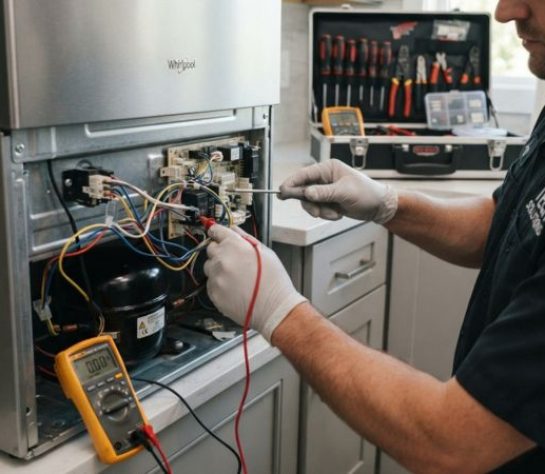
Professional technicians begin by inspecting your refrigerator to locate the exact source of the leak instead of guessing the cause. They examine the defrost drain, drain tube, drain pan, water supply line, door gasket, ice maker, and cooling system. They also check for hidden leaks, ice buildup, blocked passages, and signs of worn components that could allow water to collect inside or beneath the appliance. UAE Appliances Repair uses a detailed inspection process to identify the fault accurately before starting any repair.
After finding the problem, the technician performs the necessary repairs and tests the refrigerator to confirm the leak has stopped. This may include clearing blocked drains, replacing damaged parts, tightening water connections, adjusting door alignment, or repairing the defrost system. A final performance check helps confirm that water drains correctly, the cooling system works efficiently, and the refrigerator operates without further leaks.
Final Thoughts:
Finding water inside or under your refrigerator can feel frustrating, but identifying the cause early can save you from bigger repair costs. A blocked defrost drain, damaged door gasket, faulty water line, or broken internal component can all lead to leaks. If you notice Water Collecting Inside the fridge, check the source carefully and take action before moisture affects your food, flooring, and appliance performance.
Simple cleaning and basic checks can solve some minor issues, but repeated leaks usually need expert attention. Professional technicians can inspect the complete drainage system, test faulty parts, and fix the problem correctly. With regular maintenance and quick repairs, you can keep your refrigerator cooling properly and prevent water problems from returning.
