

Is Your Fridge Not Cooling? Signs Your Compressor Might Be Failing and How to Fix It
A refrigerator that stops cooling properly can quickly become a serious problem, especially when your food starts losing freshness and the appliance struggles to maintain the right temperature. The compressor plays a major role in the cooling process, and any issue with this component can affect the entire system. If you notice warm shelves, unusual sounds, or longer running cycles, you may need fridge repair in Dubai to identify and fix the problem before it gets worse.
This guide explains the common signs of compressor failure and the reasons behind refrigerator cooling problems. You will learn how to identify compressor issues, recognize other faults that may appear similar, and know when professional help is necessary. We will also cover inspection methods, repair options, and simple maintenance tips that can help your refrigerator work properly and avoid unexpected breakdowns.
How Your Fridge Compressor Works
The refrigerator compressor is the main component that keeps your appliance cold by moving refrigerant through the cooling system. It helps remove heat from inside the fridge and maintains the required temperature. Understanding its role helps you identify cooling problems and recognize early signs of compressor failure.
Cooling Cycle Control
The compressor starts the cooling process by compressing refrigerant gas and sending it through the system. This action helps the refrigerator remove heat and maintain cold temperatures inside the freezer and fresh food compartments.
Refrigerant Movement
The compressor pushes refrigerant through the condenser and evaporator coils. The refrigerant absorbs heat inside the fridge and releases it outside, creating the cooling effect needed to keep your food fresh.
Cooling Performance
A healthy compressor allows your refrigerator to cool properly and maintain stable temperatures. When the compressor becomes weak or damaged, the fridge may run continuously, consume more power, or fail to cool.
Compressor vs Other Faults
A cooling issue does not always mean compressor failure. Problems with the thermostat, evaporator fan, condenser coils, or start relay can create similar symptoms, so proper testing helps find the actual cause.
Compressor Lifespan
Most refrigerator compressors can work for many years with proper maintenance and normal usage. However, overheating, electrical problems, poor airflow, and lack of maintenance can reduce compressor life and cause early failure.
Need for Diagnosis
A professional helps determine whether the compressor has a real fault or another component is causing the cooling problems. Technicians test electrical parts, refrigerant pressure, and system performance before recommending repairs.
Emergency Fridge Compressor Repair Service Available Across Dubai
Why Does Your Fridge Compressor Fail?
A refrigerator compressor can fail due to several mechanical, electrical, and maintenance-related issues. Understanding these causes helps you identify problems early and protect your cooling system. Regular care, proper airflow, and timely repairs can help prevent compressor damage and improve refrigerator performance.
Power fluctuations, unstable voltage, and electrical surges can damage compressor components. These issues can affect the motor, prevent proper starting, and reduce the overall performance of your refrigerator cooling system.
Dirty condenser coils make it harder for the fridge to release heat. The compressor works harder than normal, which increases pressure, causes overheating, and may shorten the compressor’s working life over time.
Low refrigerant levels caused by gas leaks can affect the cooling cycle and force the compressor to work continuously. This extra workload can increase wear and reduce the efficiency of the refrigerator.
Limited airflow around the refrigerator can trap heat near the compressor. When the compressor overheats repeatedly, it can damage internal parts and lead to cooling problems or complete compressor failure.
The start relay helps the compressor motor begin operation. A damaged relay can prevent the compressor from starting properly, create clicking sounds, and cause the fridge to stop cooling.
Like other mechanical parts, compressors lose performance after years of use. Internal components may wear down, reducing cooling power and increasing the chances of compressor failure in older refrigerators.
Signs of a Failing Fridge Compressor
A failing compressor often shows clear warning signs before complete breakdown. Pay attention to these symptoms because early action can prevent food spoilage, higher energy bills, and expensive refrigerator repairs.
How to Check Your Fridge Compressor
You can perform a few simple checks to understand if your refrigerator compressor has a problem. These signs can help you identify cooling issues before calling a technician.
Compressor Problems That Stop Cooling
A faulty compressor can interrupt the refrigerator cooling cycle and prevent your appliance from maintaining the right temperature. Understanding these common compressor issues helps you identify the problem quickly and choose the right repair solution.
A compressor that does not start may have electrical issues, a faulty start relay, or motor problems. When the compressor fails to activate, the refrigerator cannot circulate refrigerant and stops cooling properly.
A running compressor with no cooling may indicate low refrigerant, internal compressor damage, or a weak motor. The refrigerator may continue operating, but the cooling system cannot remove heat effectively.
An overheating compressor often results from dirty condenser coils, poor airflow, or excessive workload. High temperatures can damage internal components and reduce the compressor’s ability to maintain proper refrigerator cooling.
Unusual compressor noises, such as buzzing, knocking, or rattling, can signal worn internal parts or electrical problems. These sounds often indicate that the compressor needs inspection before complete failure occurs.
Frequent compressor cycling can happen due to thermostat issues, overheating, or a weak compressor. This repeated starting and stopping puts extra pressure on the cooling system and increases energy usage.
A failed compressor motor prevents the refrigerator from creating the pressure needed for the cooling process. Motor damage usually requires professional repair or compressor replacement to restore normal performance.
How Professional Diagnose Compressor Problems in Dubai
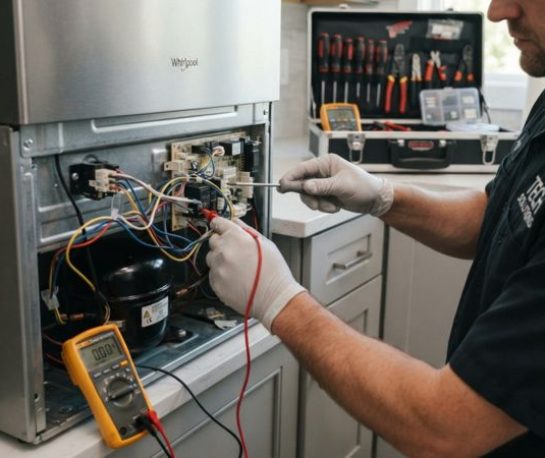
Professional technicians use a detailed inspection process to find the exact reason behind refrigerator cooling problems. They check the compressor motor, electrical connections, start relay, refrigerant pressure, condenser coils, and other cooling system components. This approach helps identify whether the compressor has a fault or if another part is causing the fridge not to cool. UAE Appliances Repair uses proper testing methods to locate the problem and recommend the right repair solution.
After diagnosis, technicians test the refrigerator’s overall performance to confirm the repair requirements. A complete inspection helps prevent unnecessary repairs and restores proper cooling performance. Professional compressor service in Dubai can help extend the life of your refrigerator and keep it working efficiently.
Steps to Prevent Compressor Failure
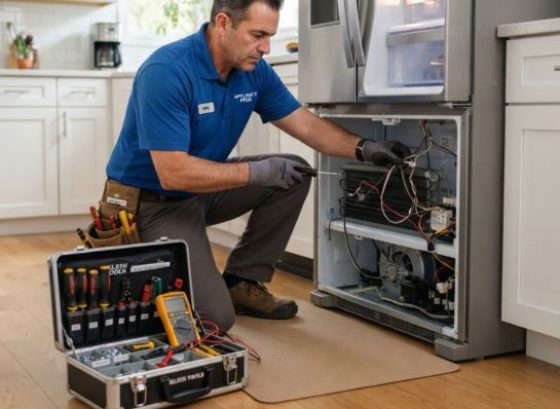
Proper maintenance can help your refrigerator compressor work efficiently and avoid unexpected cooling problems. Simple habits like cleaning important parts, maintaining airflow, and checking common issues can reduce compressor stress and extend the appliance’s lifespan.
Clean Condenser Coils Regularly
Dirty condenser coils make the compressor work harder to release heat. Cleaning the coils regularly improves airflow, reduces overheating, and helps the refrigerator’s cooling system maintain better performance.
Maintain Proper Airflow
Keep enough space around your refrigerator so heat can escape properly. Good ventilation prevents compressor overheating and allows the appliance to complete the cooling cycle without extra strain.
Check Door Seal Condition
A damaged door gasket allows warm air to enter the fridge, forcing the compressor to run longer. Inspect the seal regularly and replace it if you notice gaps, cracks, or poor closing.
Conclusion:
A failing compressor can affect your refrigerator’s cooling performance, increase energy usage, and put your food at risk. Paying attention to signs like unusual sounds, overheating, constant running, or poor cooling can help you find the issue early. If your “ fridge not cooling “ problem continues, professional inspection can identify the real cause and prevent further damage to your appliance.
Regular maintenance, proper airflow, and timely repairs can help your compressor work efficiently for a longer time. A trained technician can check the cooling system, test important components, and provide the right solution based on the actual fault. Taking quick action keeps your refrigerator running properly and helps you avoid costly repairs in the future.
