

What Causes Water Leakage in a Washing Machine and How Is It Diagnosed?
A washing machine leaking water can quickly turn into a bigger problem if you ignore it. You may notice water pooling around the appliance, damp floors, or leaks appearing during the wash or spin cycle. Common causes include damaged hoses, worn door seals, clogged drains, faulty pumps, and loose connections. Finding the exact source of the leak early helps protect your washing machine and prevents damage to your home.
This guide explains why washing machines leak water and how technicians diagnose the problem step by step. You will learn about common leak points, damaged parts, warning signs, and simple checks you can perform before calling for help. If the leakage continues or the cause remains unclear, washing machine repair in Dubai can help identify the fault and provide the right repair solution. We will also share useful maintenance tips to help prevent future water leaks.
Why Is Your Washing Machine Leaking?
A washing machine can leak water for many reasons, including damaged parts, loose connections, or incorrect usage. Finding the exact cause helps you fix the problem quickly and prevent water damage to your appliance and home.
Damaged Hose
A cracked or worn drain hose can allow water to escape during draining. Check for visible damage, loose connections, or leaks near the back of the washing machine.
Loose Inlet Connection
Loose water inlet connections can cause leaks while the machine fills. Inspect the inlet hoses, fittings, and seals to find dripping water and tighten connections if needed.
Worn Door Seal
A damaged door seal allows water to leak during washing, especially in front-load machines. Tears, dirt buildup, or worn rubber can prevent a proper seal around the door.
Faulty Drain Pump
The drain pump removes wastewater after each wash cycle. A damaged pump or worn seal can cause leaks underneath the machine and affect the washing machine’s drainage performance.
Cracked Tub
A cracked outer tub or damaged internal pipe can create serious water leaks. These issues often require professional inspection because the damage may remain hidden inside the washing machine.
Excess Foam
Using too much detergent creates excessive foam that can overflow seals & openings. Incorrect detergent amounts can also affect performance & increase the chances of water leakage.
Water Coming Out of Your Washer? Get Quick Repair Service Now
Where Is the Water Coming From?
The location of the leak gives important clues about the cause of the washing machine problem. Checking where water appears helps you identify damaged parts, loose connections, or drainage issues before starting repairs.
Water under the washing machine often points to a leaking drain pump, cracked hose, damaged tub, or loose internal connection. Inspect the bottom area carefully to find the leak source.
A leak near the front door usually happens because of a worn or damaged door seal. Dirt buildup, cracks, or improper closing can prevent the door from creating a proper watertight seal.
Water behind the washing machine often comes from loose inlet hoses, damaged water connections, or a leaking drain hose. Check all rear connections to locate dripping or water marks.
Leaks during the spin cycle often happen because the machine creates strong movement and pressure. Damaged seals, loose hoses, or drain pump issues can cause water to escape.
Water leaks during filling usually point to problems with inlet hoses, water valves, or detergent drawer overflow. Inspect these areas if you notice water appearing at the start of the cycle.
A leak during draining may indicate a faulty drain pump, a blocked hose, or a loose drain connection. Check the drainage system carefully because these parts handle wastewater removal after each wash.
Signs of a Washer Leak
A leaking washing machine often shows clear warning signs before the problem becomes severe. Recognizing these symptoms early helps you find the issue faster and prevent bigger repair costs.
Common Washing Machine Parts That Cause Leaks
Several internal and external parts help control water flow inside your washing machine. When these components wear out, crack, or become loose, they can create leaks during different wash cycles.
How Professional Technicians Diagnose Washer Leaks
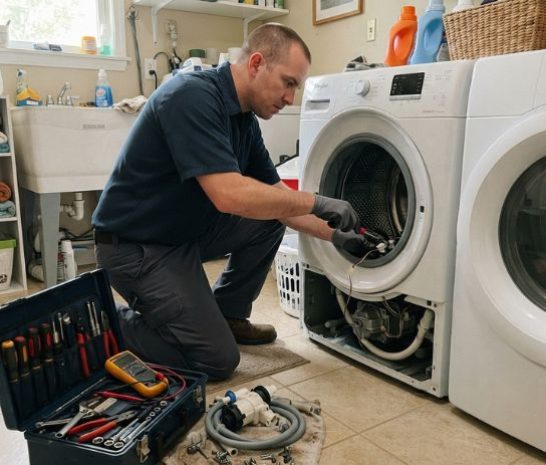
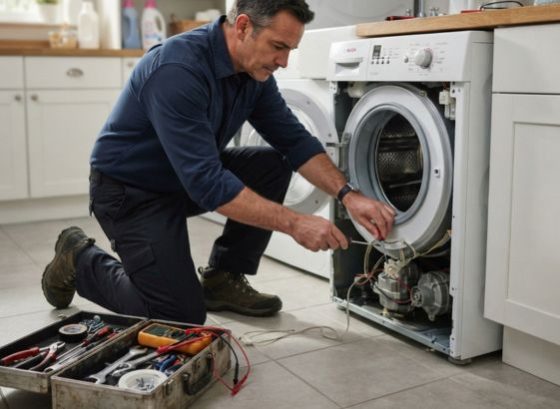
Professional technicians start by checking the washing machine carefully to find the exact source of the water leak. They inspect the door gasket, drain pump, hoses, inlet valve, detergent drawer, and internal connections. They also check when the leak appears, such as during filling, washing, spinning, or draining, to narrow down the faulty component. UAE Appliances Repair follows a detailed inspection process to identify the real cause before starting any repair work.
After finding the damaged part, technicians test the washing machine to confirm the problem and prevent repeated leaks. They may tighten loose connections, replace worn parts, repair damaged hoses, or fix internal components, depending on the issue. A complete leak test after the repair helps confirm that the washer works properly and prevents water damage around your appliance.
What Causes Leaks During Wash Cycles?
The timing of a water leak can help you identify the faulty component. Different wash stages create different pressures, making some parts more likely to leak at specific times.
Leak During Filling
A leak during filling usually points to damaged inlet hoses, loose connections, or a faulty water inlet valve. Check the water supply area first because these parts control incoming water flow.
Leak During Spinning
Leaks during spinning often happen because strong drum movement puts pressure on seals and hoses. A damaged door gasket, drain pump, or loose connection may cause water to escape.
Leak During Draining
A leak during draining usually indicates a problem with the drain pump, drain hose, or internal drainage system. These parts handle wastewater removal and can leak when damaged or blocked.
Final Thoughts:
Water leakage in a washing machine is a warning sign that you should not ignore. A small drip can turn into a bigger issue when damaged hoses, worn seals, faulty pumps, or loose connections continue to affect your appliance. Finding the leak source early helps protect your floors, prevent internal damage, and keep your washing machine working properly.
Regular checks, proper detergent use, and timely maintenance can reduce the chances of future leaks. If you notice water pooling around your washer or cannot identify the cause, professional inspection can help find and fix the problem correctly. A properly repaired washing machine gives you better performance, fewer interruptions, and a longer appliance life.
