

Why Does a Fridge Lose Gas and How Can Professional Refilling Fix Cooling Problems?
A refrigerator depends on refrigerant gas to remove heat and keep your food items cold. When the gas level drops due to a leak, the fridge may struggle to maintain the right temperature, run continuously, or stop cooling properly. Many people assume the gas finishes over time, but refrigerant usually escapes only when a problem occurs in the cooling system. Early inspection can help prevent bigger damage.
This guide explains why a fridge loses gas, the common signs of refrigerant leakage, and how professional refilling can restore cooling performance. You will learn how technicians find leaks, repair damaged parts, and refill the correct amount of gas. If your appliance shows weak cooling or unusual performance, fridge repair in Dubai can help identify the actual cause and provide the right solution. We will also cover prevention tips to keep your refrigerator working efficiently.
How Refrigerator Gas Keeps Your Fridge Cold
Refrigerant gas plays a key role in the refrigerator cooling cycle by absorbing heat and moving it outside the appliance. The correct gas level and pressure help the compressor and other components work properly, keeping your fridge cold and efficient.
Heat Absorption
Refrigerant absorbs heat from inside the refrigerator through the evaporator coil. This process lowers the refrigerator’s internal temperature and keeps food fresh by removing unwanted heat during the cooling cycle.
Compressor Movement
The compressor pushes refrigerant through the cooling system under pressure. It moves the gas between different components, allowing the refrigerator to release heat and create the cold air needed for proper cooling.
Gas Pressure
Proper refrigerant pressure allows the cooling system to work effectively. Low or incorrect pressure can reduce cooling performance, make the compressor work harder, and cause the refrigerator to struggle with maintaining temperature.
Refrigerant Usage
Refrigerant does not normally get consumed during regular refrigerator operation. If the refrigerator gas level becomes low, a refrigerator leak usually exists somewhere in the cooling lines, coils, or connections.
Gas Loss vs Low Cooling
Low cooling does not always mean the fridge has lost gas. Faulty fans, dirty coils, compressor issues, or thermostat problems can create similar symptoms, so proper diagnosis helps find the real cause.
Same-Day Fridge Gas Refilling Service by Skilled Technicians
Why Does a Fridge Lose Gas?
A refrigerator does not normally lose refrigerant gas during regular use. When the gas level drops, a leak or damage in the cooling system is usually responsible. Finding the source of the leak helps restore proper cooling and prevents repeated refilling.
Small cracks or weak spots in refrigerant pipes can allow gas to escape slowly. These leaks may reduce cooling performance over time and force the compressor to work harder to maintain the required temperature.
A damaged evaporator coil can release refrigerant inside the refrigerator system. Corrosion, physical impact, or long-term wear can create tiny holes that lead to gas leakage and poor cooling.
Moisture and age can cause corrosion around cooling lines and create leakage points. Damaged refrigerant lines reduce gas pressure and prevent the refrigerator from completing the cooling cycle properly.
Loose joints or weak connections in the refrigerant system can allow gas to escape gradually. Proper sealing and professional inspection help prevent continuous leaks and restore normal cooling performance.
Incorrect handling during previous repairs can damage cooling pipes or refrigerant lines. Accidental punctures or improper work may cause gas leaks that affect refrigerator efficiency and cooling ability.
Older refrigerators may develop refrigerant leaks due to worn pipes, seals, and internal components. Regular maintenance helps detect early issues and reduces the chances of major cooling system problems.
Signs of Low Fridge Gas
Low refrigerant levels can affect your refrigerator’s ability to cool properly. These warning signs help you identify possible gas leakage before the cooling system faces bigger problems.
Common Areas Where Refrigerant Leaks Happen
Refrigerant leaks can develop in different parts of the refrigerator cooling system. Knowing these common leak points helps technicians locate the problem faster and restore proper cooling performance.
How Professional Technicians Diagnose Gas Problems in Dubai
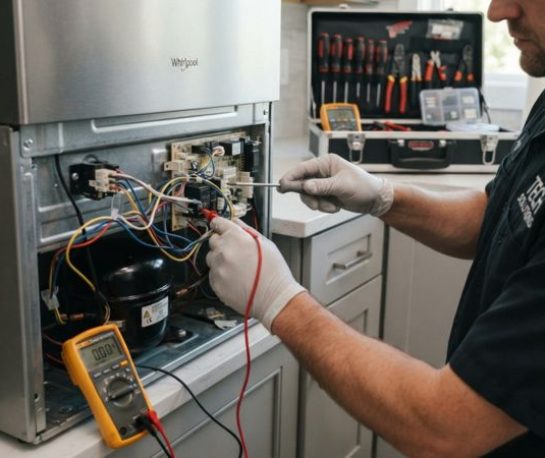
Professional technicians use proper testing methods to find the exact reason behind low refrigerant levels or cooling problems. They inspect the refrigerator’s cooling system, check refrigerant pressure, examine coils and pipes, and locate possible leakage points. This detailed approach helps identify whether the issue comes from gas loss, damaged components, or another cooling fault. UAE Appliances Repair follows a careful inspection process to diagnose refrigerant problems and provide the right repair solution.
After finding the leak source, technicians repair the damaged area before refilling the refrigerant gas. They remove remaining gas if needed, create the correct system pressure, add the recommended refrigerant type, and test the refrigerator’s cooling performance. Professional gas diagnosis in Dubai helps restore efficient cooling and prevents repeated leaks that can damage the compressor and other important components.
Types of Refrigerant Used in Modern Fridges
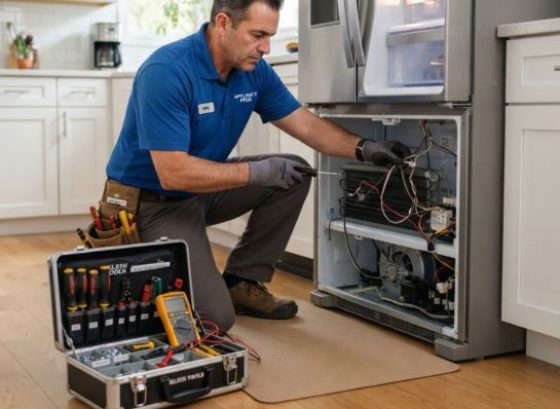
Modern refrigerators use specific refrigerants designed to support efficient cooling and safe operation. Using the correct gas type helps maintain proper pressure, protect the compressor, and keep the cooling system working effectively.
R600a Refrigerant
R600a, also called isobutane, is commonly used in many modern household refrigerators. It provides efficient cooling performance and works with smaller refrigerant charges. Technicians must handle it carefully during repairs and refilling.
R134a Refrigerant
R134a has been widely used in older refrigerator models. It helps maintain stable cooling performance, but many newer appliances have moved to alternative refrigerants due to environmental considerations and updated industry standards.
R410A Refrigerant
R410A is mainly used in air conditioning systems rather than standard household refrigerators. Some cooling appliances may use it, but technicians must always follow the manufacturer’s recommended refrigerant type for safe operation.
Final Thoughts:
A refrigerator that loses gas cannot maintain proper cooling because the refrigerant plays an important role in removing heat from inside the appliance. If you notice fridge loss-gas symptoms like weak cooling, constant compressor running, unusual ice patterns, or rising electricity bills, you should inspect the issue quickly. Finding and repairing the leak before refilling the gas helps restore better performance and prevents repeated cooling problems.
Professional gas refilling is not only about adding refrigerant. A technician must locate the leak, repair the damaged area, add the correct amount of gas, and test the cooling system properly. With timely maintenance and expert support, your refrigerator can return to normal operation, protect your food, and avoid major compressor damage in the future.
