

How Professional Washing Machine Belt Replacement Improves Spin Performance and Reliability
A washing machine belt plays an important role in connecting the motor with the drum and helping it rotate smoothly during washing and spinning cycles. When the belt becomes loose, worn, or damaged, your washer may show weak spin performance, unusual noises, or stop moving properly. Ignoring these signs can increase pressure on other components and affect the overall performance of your appliance.
This guide explains how professional belt replacement improves washing machine efficiency, reduces vibration, and restores proper drum movement. You will learn about common belt problems, warning signs, replacement steps, and the benefits of expert service. If your washer struggles with spinning or makes unusual sounds, washing machine repair in Dubai can help identify the issue and provide the right solution. We will also share maintenance tips to help extend your washing machine belt life.
What Does a Washing Machine Belt Do and Why Is It Important?
The washing machine belt connects the motor with the drum pulley and transfers the power needed for drum movement. A properly fitted drive belt helps maintain smooth rotation, supports effective spin cycles, reduces stress on internal parts, and improves overall washing performance.
Power Transfer Between Motor and Drum
The drive belt transfers energy from the motor to the drum pulley during washing and spinning. A strong belt helps the drum rotate properly, allowing the washer to complete cycles with consistent movement and performance.
Maintaining Smooth Drum Rotation
A healthy washing machine belt helps the drum rotate evenly without unnecessary slipping or movement. Proper belt tension reduces vibration, supports balanced operation, and helps prevent unusual noises during high-speed spin cycles.
Spin Cycle Performance
The belt condition directly affects how fast and smoothly the drum spins. A worn or loose belt may reduce spin speed, leave clothes wetter, and prevent the washing machine from completing the cycle properly.
Reducing Motor Strain
Correct belt tension allows the motor to transfer power efficiently without extra pressure. A damaged belt can force the motor to work harder, increasing heat buildup and reducing the lifespan of important components.
Improving Washing Efficiency
A properly working belt helps maintain correct drum movement during washing cycles. Smooth rotation improves cleaning performance, allows better water distribution, and helps your washing machine deliver more effective results with every load.
Washing Machine Making Noise or Not Spinning? Get Belt Replacement
Common Causes of Washing Machine Belt Damage
Washing machine belts can wear out due to regular use, mechanical stress, or poor maintenance. Factors like heavy loads, incorrect tension, damaged components, and lack of inspection can reduce belt lifespan and affect drum movement, spin performance, and overall washer efficiency.
Washing machine belts weaken naturally after repeated wash cycles. Over time, the rubber material loses flexibility, develops cracks, and may stretch, reducing its ability to transfer power smoothly between the motor and drum.
Putting too many clothes inside the drum increases pressure on the drive belt. Heavy loads force the belt to handle extra strain, which can cause stretching, slipping, overheating, and early belt damage.
A loose belt may slip around the pulley and reduce drum movement during cycles. A belt that is too tight creates extra pressure on the motor and other parts, increasing wear and reducing performance.
Faulty drum bearings can create extra resistance during rotation, making the motor work harder to move the drum. This added strain affects the belt, causing faster wear, slipping, and possible damage over time.
Damaged pulleys or motor problems can affect how the belt moves during operation. Misaligned or worn components create uneven pressure on the belt, leading to friction, slipping, and reduced spin performance.
Ignoring regular washing machine inspections allows small belt-related issues to become major problems. Checking belt condition, drum movement, and connected components helps detect early signs of wear and prevents sudden failures.
Signs Your Washing Machine Belt Needs Replacement
A worn or damaged washing machine belt shows different warning signs before complete failure. Recognizing these issues early helps you avoid bigger repairs and maintain smooth drum performance during every wash cycle.
Professional Washing Machine Belt Replacement Process
Professional technicians follow a careful belt replacement process to restore proper drum movement and spin performance. They inspect the appliance, remove the damaged belt, install the correct replacement, and test the washer for smooth operation.
Initial Machine Inspection
Technicians inspect the washing machine to check belt condition, signs of wear, and related mechanical issues. This step helps identify the actual cause of belt failure before starting the replacement.
Power Disconnection
Technicians disconnect the washing machine from the power supply before repair. They prepare the appliance safely to avoid electrical risks and ensure a proper working environment.
Removing Damaged Belt
Technicians access the rear or bottom panel to reach the belt area. They carefully remove the worn or broken belt without damaging nearby components like the motor or pulley.
Inspecting Pulley and Motor
Technicians check the pulley alignment and inspect the motor condition before installing a new belt. This helps identify issues that may affect belt performance or cause repeated failures.
Installing a New Belt
Technicians install the correct belt size according to the washing machine model. They adjust the belt tension properly to maintain smooth power transfer between the motor and drum.
Testing Spin Performance
After belt replacement, technicians run washing and spin cycles to check performance. They confirm smooth drum movement, proper rotation speed, reduced noise, and washing machine operation.
How a Damaged Belt Affects Washing Machine Performance
A damaged washing machine belt can affect multiple functions, including drum movement, spin speed, and overall washing efficiency. Small belt problems can increase stress on other components and lead to bigger repair issues over time.
Why Choose Professional Machine Belt Replacement Service in Dubai?
Professional washing machine belt replacement helps restore proper drum movement, improve spin performance, and prevent damage to connected components. Technicians inspect the belt condition, check the motor and pulley system, and install the correct replacement belt with proper tension. UAE Appliances Repair provides expert solutions to identify belt-related problems and complete the repair process correctly.
Choosing professional service helps you avoid incorrect installation, repeated belt failures, and additional damage to your washing machine. Skilled technicians test the appliance after replacement to confirm smooth operation, balanced drum rotation, and improved washing performance. Proper belt replacement in Dubai helps extend your washer’s lifespan and keeps it working efficiently.
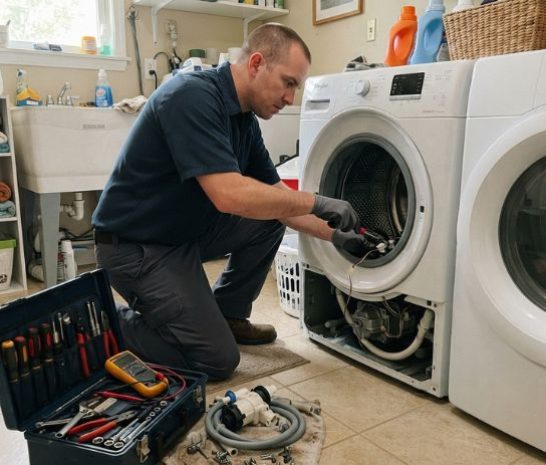
How Professional Technicians Diagnose Belt Problems
Professional technicians use detailed inspection methods and performance tests to identify washing machine belt issues accurately. They check belt condition, connected components, drum movement, and spin performance before replacing any damaged parts.
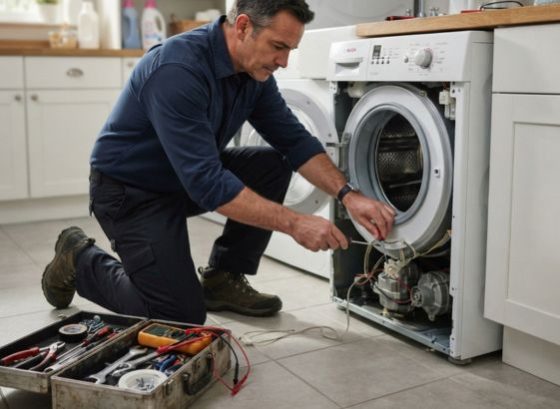
Checking Belt Condition
Technicians inspect the belt for cracks, stretching, fraying, and visible damage. They evaluate the wear level to determine if replacement is needed or if another issue caused the belt problem.
Testing Drum Movement
Technicians check drum rotation to identify resistance, slipping, or movement issues. This helps find belt problems affecting spin performance, drum speed, and overall washing machine operation.
Inspecting Motor and Pulley
Technicians examine the motor, pulley, and connected parts to find faults affecting belt movement. Checking these components helps prevent repeated belt damage after replacement.
Final Thoughts:
A washing machine belt may look like a small component, but it plays a major role in drum movement, spin speed, and overall appliance performance. A worn or damaged belt can reduce washing efficiency, create unusual sounds, and leave clothes wetter after each cycle. Replacing the belt at the right time helps restore smooth operation and protects other important parts from unnecessary strain.
If your washer shows weak spinning, excessive vibration, or drum movement problems, professional inspection can help find the real cause. With expert washing machine belt replacement, technicians can install the correct belt, adjust the proper tension, and test the machine for better performance. Regular maintenance and timely repairs help extend your washing machine’s lifespan and keep it running efficiently for daily use.
